
Yesterday I had an opportunity to escape the first "wire" to see the Kandahar Regional Military Hospital, which we call "Camp Hero." I was a strap-hanger as one of the surgeons had an actual mission helping out one of the local Afghani surgeons with a perplexing case. We have also "adopted" a young 8 year old burned in a gasoline fire a while ago, and we visit him every time someone goes to Camp Hero. My mission was to see their ICU and ward, as we transfer locals there after their acute issues are taken care of at our hospital. I have heard some horror stories about the place - flies buzzing into tracheotomy tubes that we had surgically placed - that kind of thing. I had to see if it was true, and whether we should be nursing our patients closer to health before sending them to the local docs.

Camp Hero was built about 2 years ago by the US. It's a humble place, but pretty serviceable by Third World standards. The humility of the physical plant is not the rate limiting step in health care, of course. We prove that daily in our shack of a hospital here in Kandahar Air Field (KAF) - it's the people that matter, and we happen to have some of the best. The Afghans are seriously limited in this department. To become a doctor in Afghanistan one must attend school for four years, and then enter an apprenticeship which very roughly approximates our residency programs. The Taliban didn't help matters in recent years: As Greg Mortensen pointed out in Three Cups of Tea, the large medical school in Kabul where most are trained was prohibited from showing photos or actual cadavers during anatomy class in medical school - too scandalous apparently. Hard to know how to heal someone if you don't even know the body parts. It is fair to say that these doctors, few in number, would be more akin to physician or surgical assistants in our country. Nothing wrong with PA's, and they do need lots of them. But they also need trauma surgeons, internists, burn specialists, and more, to get through this war and beyond.

 In spite of these limitations, the doctors and nurses at Camp Hero are making a difference. We realized this a few weeks back when, after a bomb blast in downtown Kandahar which wounded and killed dozens, we only received a small handful of casualties at ROLE-3. The rest went to Hero. Their spartan ICU was full of sick folks. This doesn't mean the outcomes were all good - I am sure they weren't - but the willingness to take on such a large group of wounded spoke volumes.
 Just getting to Camp Hero was eye opening. First of all, my impression of living on KAF is that we have a huge buffer between us and the rest of humanity out here. Not true. A few minutes outside the Entry Control Point (ECP - imagine towers with guys carrying big weapons, huge NJ barriers, lots of concertina wire and you'd be close) we saw huge bombed out "projects" surrounded by litter and mudhuts. Our interpreter, who grew up mere minutes away and now lives somewhere near DC after he escaped the Soviets as a boy, explained that these were the Soviet barracks which were abandoned, then taken over by the Taliban. We dropped some 500 pounders onto the roofs, but there are still enough livable apartments for perhaps hundreds of families. We toured the area in our Land Rover, got out, and were surrounded by dirty little kids, all cute and wanting to 'high five' us. They knew enough English to ask for a dollar. The area was filthy, filled with water melon rinds, American food and candy trash, and other 'occupier detritus.' The kids, many barefooted, could care less as they tromped through it. We saw their new school, all new bricks and paint, contrasting the rubble-filled projects a few blocks away. Who were these people and how did they get inside the outer wire?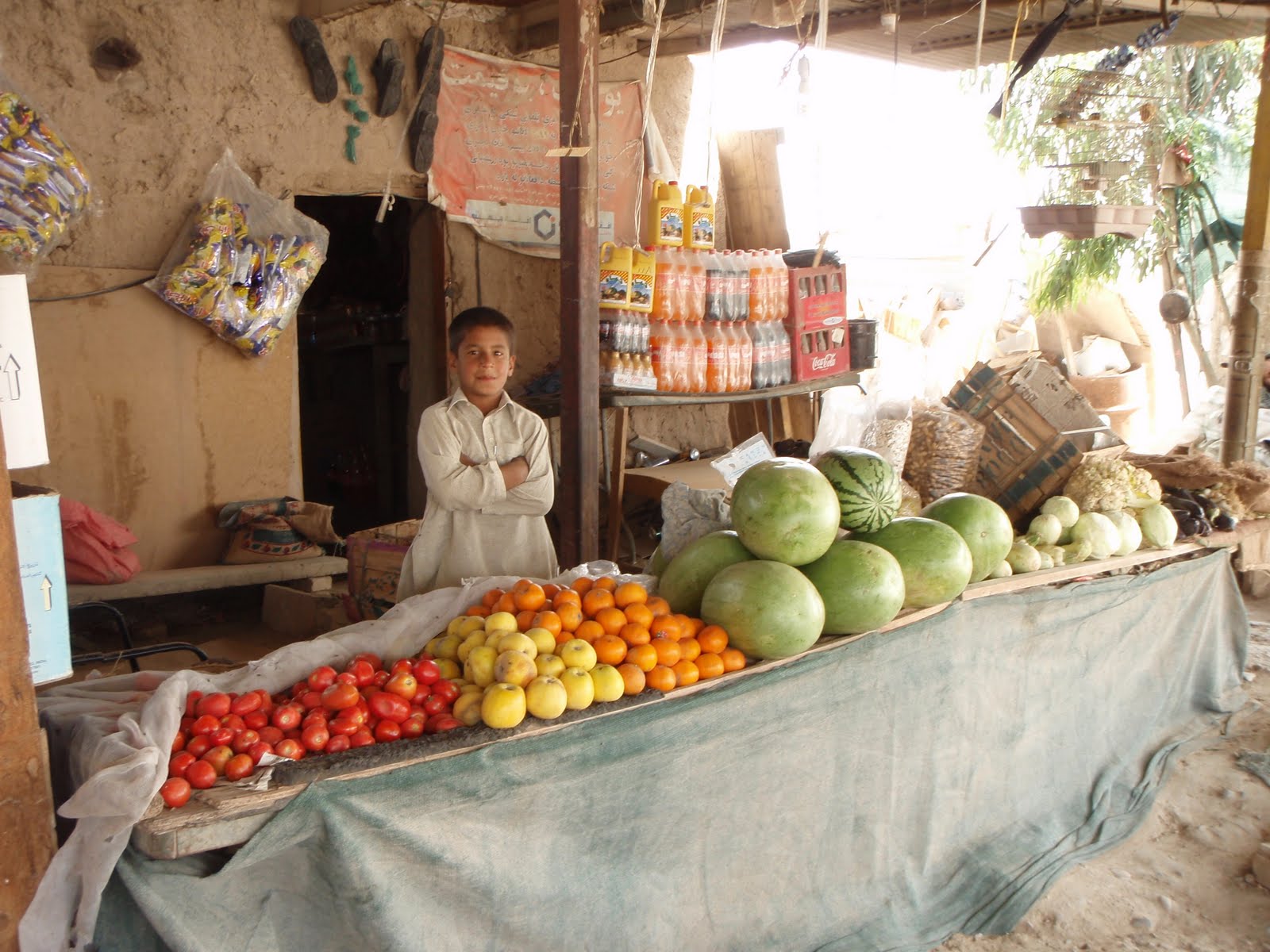
The half-day I spent outside the inner wire expanded my world. I returned to KAF, noticing no children trying to 'fist punch' me, no detritus, no 'used tank lot,' only camouflaged NATO members walking to dining facilities filled with food flown in from thousands of miles away. I saw our humble woodshed of a hospital filled with educated doctors, nurses and corpsmen and realized it was a lot less impressive from the outside than Camp Hero.


